
OneCloud Connect for Windows: Download & Set Up on Your PC
In today’s increasingly digital world, staying connected has never been more important. Whether you're collaborating with colleagues remotely or connecting with clients globally, having the right tools is essential. OneCloud Connect is one such tool, offering seamless communication through video conferencing, voice calls, messaging, and collaboration features, all integrated into one easy-to-use platform. While it's widely known for its mobile apps on Android and iOS, OneCloud Connect can also be used on Windows PCs to help businesses and individuals stay productive and connected.
In this article, we'll walk you through the process of downloading, installing, and using OneCloud Connect on your Windows PC. We'll also highlight the benefits of using the app on a desktop device, the key features it offers, and answer common FAQs to ensure you get the most out of the app.
What is OneCloud Connect?
Before diving into how to download and use OneCloud Connect on your Windows PC, it’s important to understand what it is and how it benefits you.
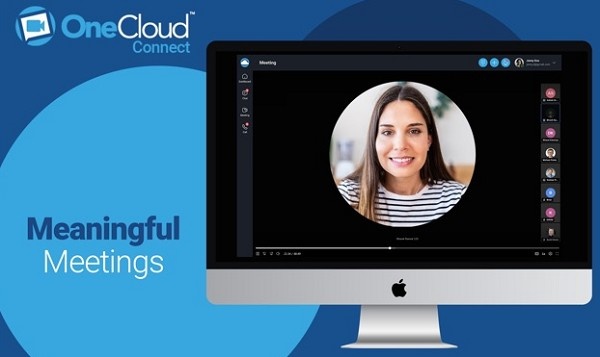
OneCloud Connect is a unified communication platform designed to integrate video conferencing, voice calling, team messaging, voicemail management, and screen sharing, all in one place. It’s optimized for remote work, allowing individuals and teams to collaborate efficiently no matter their location. OneCloud Connect also offers robust security features, HD video conferencing, real-time transcription, and the ability to integrate with other tools you may already be using.
By using OneCloud Connect on your Windows PC, you can access these features on a larger screen, making collaboration and communication even easier.
Key Features of OneCloud Connect
Here are the primary features of OneCloud Connect that make it ideal for both personal and professional use:
High Definition Video Conferencing: Conduct seamless video meetings with high-quality audio and video.
Screen Sharing and File Sharing: Share documents, presentations, and your screen during meetings for better collaboration.
Team Messaging: Communicate instantly with team members using both direct messages and group channels.
Voicemail Management: View, listen to, and manage your voicemail directly from the app.
Voice Calls: Make voice calls directly from the app to any number.
Custom Caller ID: Personalize your outgoing calls with a custom caller ID.
Meeting Scheduling: Schedule, host, and manage video calls with ease.
Transcription and Closed Captioning: Use real-time transcription and closed captioning for your meetings.
Integration with Contacts: Sync contacts and call history for easy access.
Enhanced Security: End-to-end encryption ensures your conversations are safe.
Now that you know what OneCloud Connect offers, let’s dive into how to download and use it on your Windows PC.
Steps to Download & Install OneCloud Connect on Your Windows PC
OneCloud Connect offers a desktop version for Windows PCs, providing all the features of the mobile app on a larger screen with enhanced usability. Here’s how to download and install OneCloud Connect on your Windows device.
Step 1: Check System Requirements
Before downloading the app, make sure your Windows PC meets the minimum system requirements:
Operating System: Windows 10 (64-bit) or higher
RAM: 4GB minimum (8GB or more recommended for optimal performance)
Processor: Intel Core i3 or equivalent
Internet Connection: A stable internet connection (preferably broadband or higher speed)
Storage: 100MB of free disk space
If your system meets these requirements, you're ready to begin.
Step 2: Download OneCloud Connect for Windows
Go to the OneCloud Connect Official Website: Open your browser and navigate to the official OneCloud Connect website. Look for the Download section, typically found under the "Downloads" or "Get the App" menu option.
Select Windows Version: Choose the version compatible with Windows PC. The download link should automatically detect your operating system, or you can manually select Windows from a list of available platforms.
Download the Installer: Click on the "Download" button for the Windows version of the app. The installer file, usually named something like OneCloudConnectSetup.exe, will begin downloading to your PC.
Step 3: Install OneCloud Connect on Windows
Run the Installer: Once the download is complete, open the installer by double-clicking the OneCloudConnectSetup.exe file. If you see a security prompt, click "Yes" to allow the app to make changes to your PC.
Follow the Installation Wizard: The installation wizard will guide you through the process. You can choose the installation location or simply go with the default settings. Click Install to begin the process. The app will automatically install on your device.
Complete Installation: Once the installation is complete, click Finish to close the installation window. The OneCloud Connect app should now be available on your desktop.
Step 4: Launch OneCloud Connect
Open the App: You can launch OneCloud Connect by finding the app in your Start Menu or by clicking on its desktop shortcut. If you don’t see it right away, search for “OneCloud Connect” in the search bar next to the Start Menu.
Sign In or Create an Account: If you're a first-time user, you'll need to sign up by entering your email address and creating a password. If you already have an account, simply log in with your credentials.
Complete Your Profile: Once logged in, you may be prompted to complete your profile by adding your name, picture, and contact information. This step is optional but helps personalize your account.
How to Use OneCloud Connect on Your Windows PC?
Now that you have OneCloud Connect installed on your Windows PC, it's time to explore how to use its features. Here’s a guide to getting the most out of the app.
1. Join or Host Video Meetings
To join a meeting:
Click on the Meeting Link: If someone has sent you a meeting link, simply click on it. The OneCloud Connect app will open and automatically take you to the meeting.
Enter the Meeting ID: If you know the meeting ID, open the app, click on the “Join Meeting” option, and enter the meeting ID and passcode (if applicable).
To host a meeting:
Click “Host a Meeting”: After logging in, click the “Host a Meeting” button from the home screen of the app.
Choose Meeting Options: You can choose whether to host a video-only meeting, a meeting with screen sharing, or a meeting with audio-only.
Invite Participants: Once the meeting is set up, you’ll be provided with a link that you can share with participants. You can send this link through email, chat, or social media.
2. Make and Receive Voice Calls
OneCloud Connect allows you to make and receive voice calls directly from your Windows PC. To make a call:
Click on the Phone Icon: On the home screen of the app, locate and click on the phone icon.
Dial the Number: Enter the phone number of the person you wish to call. You can also call from your contact list if you’ve synced it with the app.
Start the Call: After dialing, press the call button to initiate the conversation.
To receive a call, you’ll receive a pop-up notification in the app. Click Accept to begin the call.
3. Use Messaging and Collaboration Features
OneCloud Connect supports real-time messaging and file sharing. You can send direct messages to individuals or create channels for group conversations.
Start a New Message: Click on the "Messages" tab and select “New Message.” Choose the recipient from your contact list and start typing your message.
Create Channels: To create a group channel, click on the “Create Channel” button. You can name the channel, set its privacy (public or private), and add members.
Share Files: During a conversation or meeting, you can click on the “Share File” icon to upload and share documents, presentations, or images.
4. Voicemail Management
To access and manage your voicemail:
Navigate to the Voicemail Section: Open the app and click on the voicemail icon.
Listen to Voicemails: Voicemails will appear in a list. Click on any voicemail to listen to the message.
Manage Voicemails: You can delete or archive voicemails by selecting the options next to each voicemail.
5. Use Screen Sharing
Screen sharing allows you to display your computer screen to others during a meeting. To share your screen:
Click on the Share Screen Icon: During an active meeting, click the "Share Screen" button at the bottom of the app.
Select What to Share: You can choose to share your entire screen or a specific application window.
Stop Sharing: When you're done, click the "Stop Sharing" button.
Troubleshooting Common Issues
While using OneCloud Connect on Windows, you may encounter occasional issues. Here are some common troubleshooting tips:
App Not Launching: If the app doesn’t open, try restarting your computer or reinstalling the app.
Video/Audio Quality Issues: Ensure that your internet connection is stable and that your webcam and microphone are properly connected.
Unable to Join Meetings: Check the meeting link or ID for accuracy and ensure that you're using the correct password if required.
Conclusion
Downloading and using OneCloud Connect on your Windows PC opens up a wide range of communication and collaboration possibilities. Whether you’re working from home, managing a remote team, or simply need a reliable way to stay in touch with clients, OneCloud Connect offers a powerful suite of features that can make your communication more efficient.
By following this guide, you should now have OneCloud Connect installed and running on your Windows PC. Explore its features, enjoy seamless video conferencing, voice calls, messaging, and more, all within one app. With its user-friendly interface and robust capabilities, OneCloud Connect is a perfect choice for anyone looking to optimize their communication and collaboration workflows.
Updates